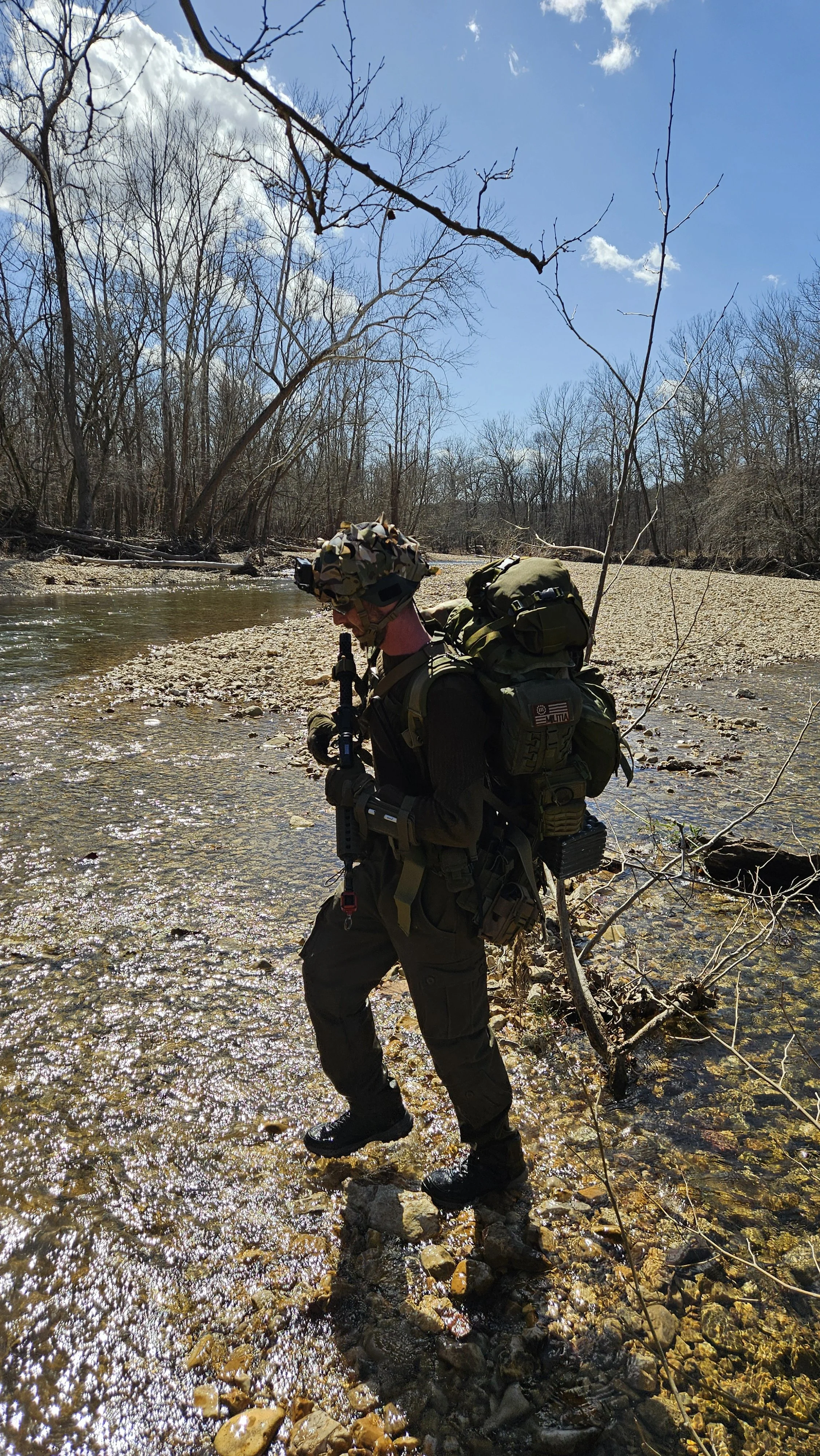
Our Organization
Our Mission
Lightfighters Anonymous exists to build a community of capable, responsible, and self-reliant Americans who believe that the rights protected by the Second Amendment are accompanied by a responsibility to develop the knowledge, judgment, discipline, and proficiency to exercise those rights responsibly.
We bring people together to learn from one another, develop practical skills, challenge themselves in demanding environments, and build relationships that extend beyond any single event. We believe capability is developed through consistent practice, shared experience, personal discipline, and teamwork.
LFA is independent, non-political, and unaffiliated with any political party, religious organization, military organization, or militia. We are not a training company. We are a community.
Our Promise
We promise our members that LFA will remain a community built around people.
We will strive to keep participation affordable and accessible, welcome people at every level of experience, and provide opportunities to learn without unnecessary barriers. We will encourage experienced members to share their knowledge while creating an environment where newer members can learn without being looked down upon.
We will hold ourselves to a standard of personal responsibility, preparedness, discipline, and respect. We will protect the character of the organization by expecting every member to contribute positively to the community.
Most importantly, we promise that LFA will never lose sight of why it exists: to bring good people together and help one another become more capable.
How We Are Organized
Lightfighters Anonymous is a community of free people organized around a common charter and a shared set of principles.
Our long-term goal is to establish regional chapters throughout the United States. Each chapter will operate within the LFA charter and uphold the organization's core principles while maintaining the ability to develop events, relationships, and activities appropriate to its region.
The chapter is the foundation of the organization. It is where members meet, train, build relationships, and participate in the community.
At the same time, every chapter is part of something larger. A central charter provides continuity between chapters, protects the identity and principles of LFA, and establishes the standards that allow the organization to grow without losing what made it valuable in the first place.
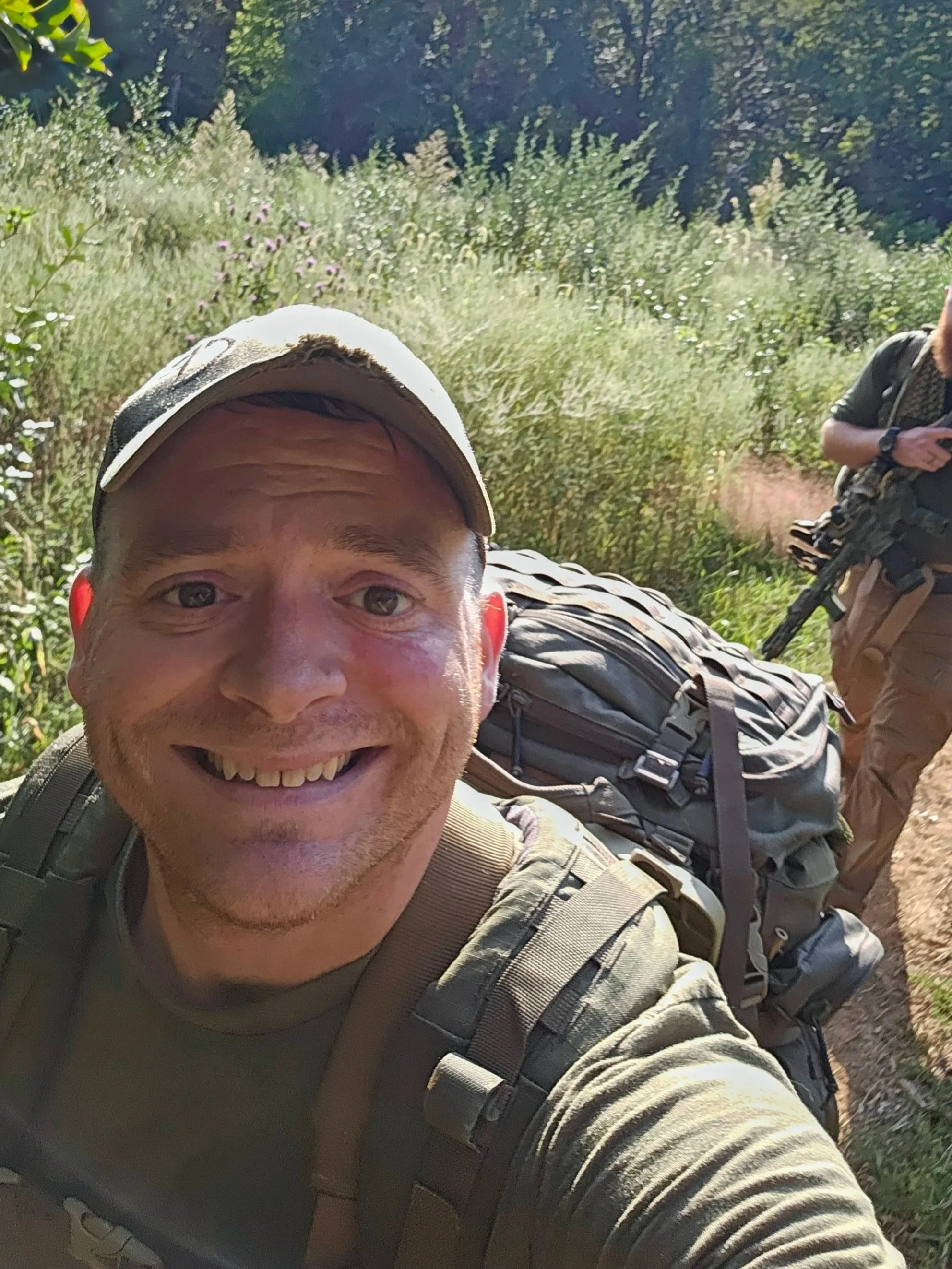
Ozark Chapter
The Ozark Chapter is the founding chapter of Lightfighters Anonymous.
It is where LFA began and remains the foundation upon which future chapters will be built. As the organization grows, the Ozark Chapter will continue to serve as a model for the culture, standards, and community that define LFA.
Our goal is not simply to create more chapters. It is to create strong chapters that share the same identity, standards, and sense of community.
Future Chapters…
Our goal at Lightfighters Anonymous is to be affordable, available, and high quality. Help us grow a new chapter in your local region.
LFA is built around trust, responsibility, and accountability. Membership is a privilege, not an entitlement.
Our basic requirements include:
Members must be 18+ years of age, or 14+ in attendance with legal guardian.
Members must be legally permitted to possess firearms and other lawful equipment under applicable United States law.
Individuals with felony convictions are not eligible for membership.
Members must conduct themselves responsibly and respectfully toward other members, guests, landowners, instructors, and the public.
Members must follow the safety requirements established for each event.
Members may not use LFA membership to facilitate criminal activity or unlawful violence.
Members may not represent LFA as a political organization, militia, law-enforcement body, or military organization.
Members are expected to respect the privacy of others in all activates in person and online.
Members who repeatedly endanger others, violate the law, or seriously undermine the community may have their membership revoked.
The Standard
We do not expect every member to have the same experience, equipment, physical ability, or background.
We do expect every member to take responsibility for their own development.
Be prepared. Be teachable. Be dependable. Be useful to the people around you.
The Basics
A Lightfighter should strive to:
Be dependable.
Be physically capable.
Know how to safely handle and maintain their equipment.
Understand basic land navigation.
Know basic first aid and emergency procedures.
Be capable of operating independently while remaining an effective member of a team.
Carry what they need rather than expecting someone else to provide it.
Maintain their equipment and arrive prepared.
Be willing to learn, teach, and continually improve.
Physical Standard
A Lightfighter should be capable of carrying their own equipment over meaningful distances and terrain without becoming a liability to the team.
Ruck Standard
6 miles in 90 minutes carrying a 35 lb ruck.
Patrol Standard
3 miles in 50 minutes carrying a full patrol load and rifle, with an estimated total carried weight of approximately 65 lbs.
Strength Standard
10 bodyweight pull-ups
10 Deadlifts (bar weight=bodyweight)
10 Squats (bar weight=bodyweight)
These are goals to work toward, not measures of a person's worth or membership status. Physical capability varies between individuals, and the purpose of The Standard is to establish a meaningful benchmark for personal development.
Your team should be able to depend on you to keep moving.
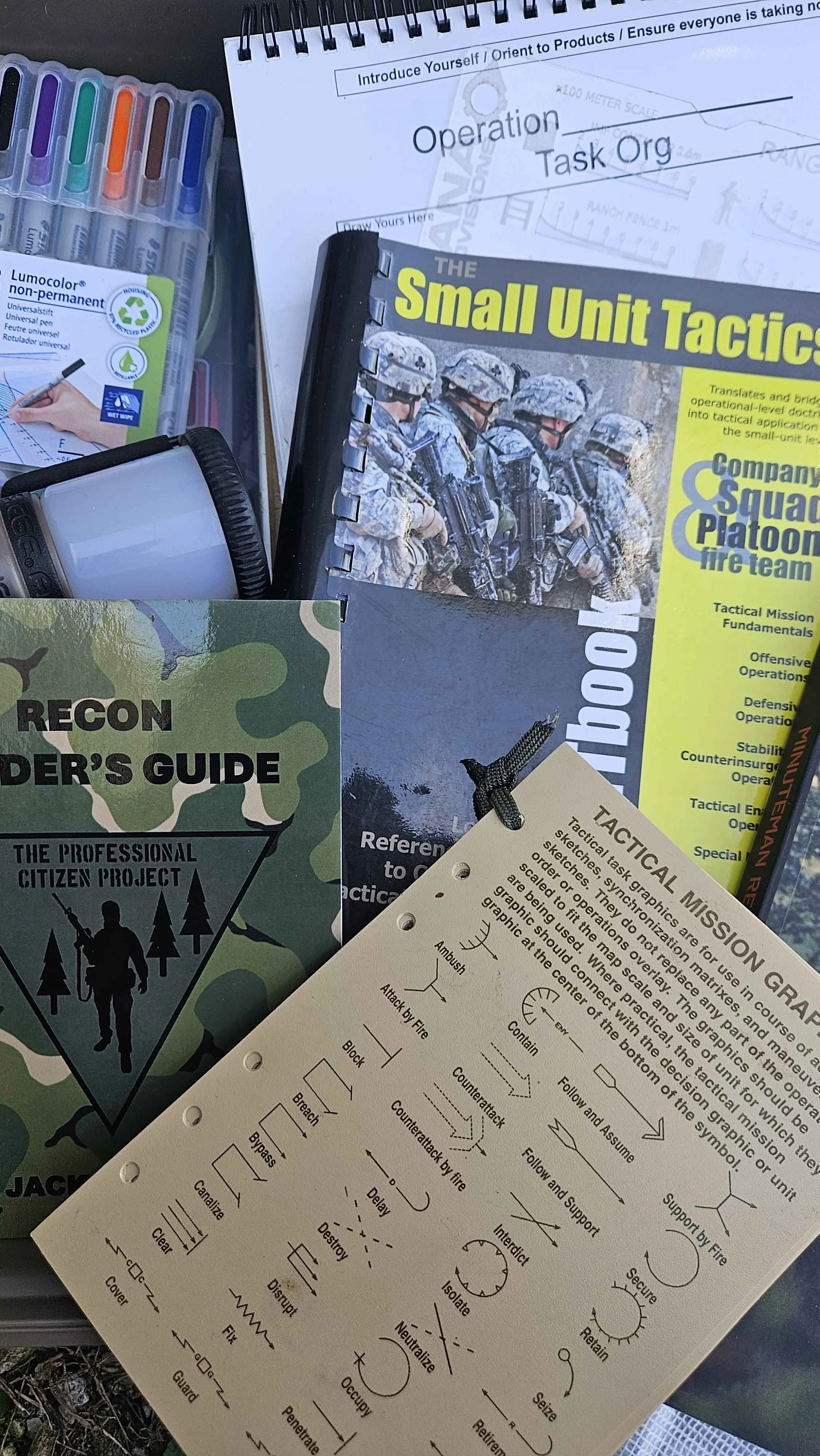
Equipment
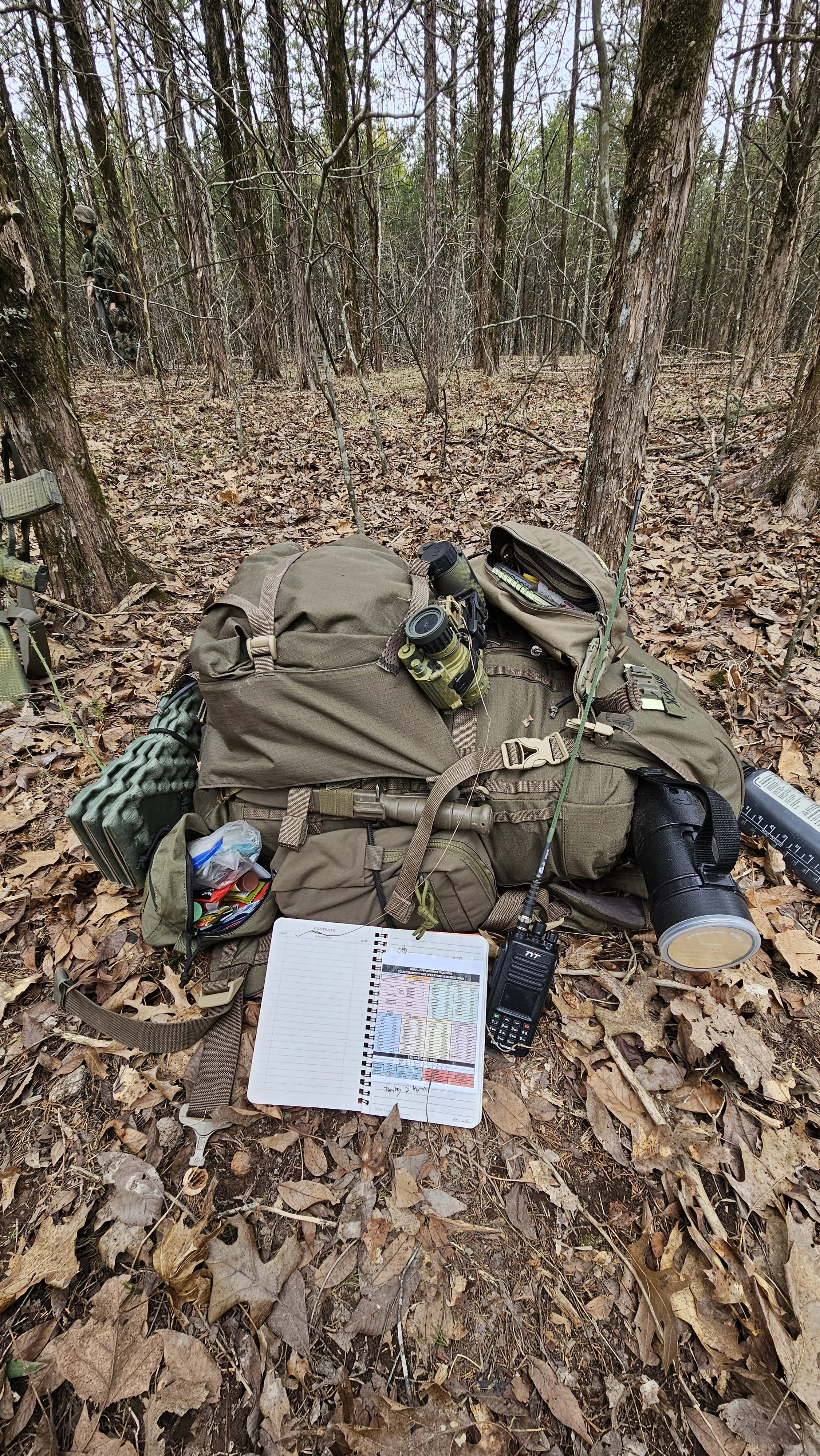
Lightfighters should be capable of carrying and sustaining themselves with the following basic equipment:
Rifle — serviceable, zeroed, with appropriate ammunition.
Water — sufficient water and a method of treating or replenishing it.
Food — enough food to sustain yourself for the duration of the patrol.
Navigation — map, compass, gps, and the knowledge to use them.
Communication — an appropriate radio/signal equipment.
Medical — an individual first-aid/trauma kit.
Shelter — a method of staying dry and protected from the elements.
Light — a dependable flashlight or headlamp with spare batteries.
Weather protection — clothing appropriate to the conditions and expected environment.
Tool — a practical field tool and basic repair/maintenance capability.
Watch — that tells time.
Personal equipment — any medication, protective equipment, or other items required for the individual's specific needs.
The objective is not to create a universal packing list. The objective is to develop the judgment to know what you need, why you need it, and how to use it.